
Table of Contents
Sciatica is a common cause of lower back and leg pain affecting adults across Australia, and many people first seek help from a chiropractor near Montmorency when symptoms begin to interfere with daily life. It occurs when the sciatic nerve, which runs from the lower spine through the hips and down each leg, becomes irritated or compressed. This often leads to pain, numbness, tingling, or weakness that can interfere with work, driving, and daily life.
In suburbs like Montmorency, local lifestyle factors such as desk-based work, regular commuting, and active family routines can place repeated strain on the lower back. Over time, this stress may increase the risk of sciatic nerve irritation.
This article explains why sciatica is so common in Montmorency, outlines its most frequent causes, and explores evidence-based, non-surgical strategies that can help residents reduce pain, improve mobility, and protect long-term spinal health.
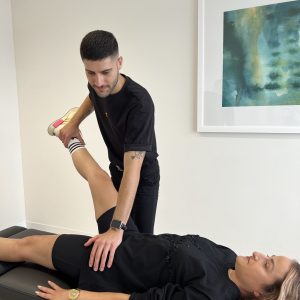
What Is Sciatica?
Sciatica refers to symptoms caused by irritation or compression of the nerve roots that form the sciatic nerve in the lower spine. Rather than being a diagnosis itself, it describes a pattern of pain that typically travels from the lower back into one buttock and down one leg.
Common symptoms include:
- Burning, sharp, or aching leg pain
- Numbness or tingling in the leg or foot
- Muscle weakness
- Pain that worsens with sitting, bending, or prolonged driving
According to Australian clinical guidelines, most cases of sciatica improve over time with appropriate conservative management, without the need for surgery.
Common Causes of Sciatica
The most frequent cause of sciatica is irritation of a lumbar nerve root due to changes in the lower spine.
Primary causes include:
- Herniated or bulging lumbar discs, where disc material presses on nearby nerves
- Spinal stenosis, a narrowing of the spinal canal
- Spondylolisthesis, where one vertebra slips forward over another
- Age-related spinal changes that reduce space around nerve structures
In some cases, tight or overactive muscles surrounding the spine and hips may also contribute to nerve irritation.
Many residents seek assessment from a chiropractor near Montmorency or a chiropractor for bulging discs to identify contributing factors and guide conservative care. A corrective chiropractor may focus on spinal alignment, movement patterns, and targeted exercises aimed at reducing nerve pressure and restoring function.
Why Sciatica Is So Common in Montmorency
Several everyday habits common among Montmorency residents can increase strain on the lower back and sciatic nerve over time.
Key lifestyle factors include:
- Desk-based and hybrid work, often involving prolonged sitting and suboptimal posture
- Regular commuting, including long periods seated in cars or on public transport
- Active family and recreational routines, which may involve repetitive lifting, bending, or uneven movement patterns
When these factors are combined with limited recovery time or reduced movement variety, the lower spine may become overloaded. Middle-aged and older adults are particularly affected, especially those balancing work, family responsibilities, and reduced physical activity.
Early assessment from a chiropractor near Montmorency or a nearby chiropractor in Lower Plenty can help identify postural habits, spinal restrictions, and movement issues before symptoms become persistent. Many residents choose to book a chiropractor appointment in Melbourne to address concerns early and reduce the risk of chronic nerve irritation.
Symptoms That Prompt Residents to Seek Care
People often seek care when sciatica begins interfering with daily activities such as work, driving, or sleep. Symptoms commonly reported by Montmorency residents include:
- Radiating leg pain that worsens with sitting or driving
- Numbness or tingling in the leg or foot
- Weakness affecting walking or balance
- Reduced ability to exercise or stay active
Many individuals prefer non-surgical, conservative treatment options that focus on recovery and long-term function rather than medication alone. This often leads to interest in chiropractic treatment in Melbourne, physiotherapy, osteopathy, and other allied health services.
A corrective chiropractor may address posture, spinal mobility, and gradual nerve relief to support healing. When managed appropriately, most mild to moderate cases of sciatica improve over weeks to months.
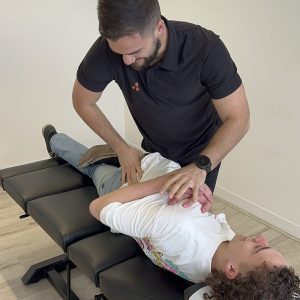
Preventing Future Sciatica Flare-Ups
Preventing sciatica often involves consistent, practical changes that reduce strain on the lower back.
Helpful prevention strategies include:
- Improving workstation and car ergonomics
- Taking regular movement breaks during prolonged sitting
- Strengthening the core, glutes, and hip muscles
- Stretching tight muscle groups such as the hamstrings
- Balancing sport and family activities with adequate recovery
Many residents consult a family chiropractor or corrective chiropractor to address posture and spinal alignment proactively, before pain becomes ongoing.
Taking Control of Sciatica in Montmorency
Sciatica is common in Montmorency due to a combination of desk-based work, commuting, active family routines, and natural age-related spinal changes. Without early support, mild symptoms can gradually affect work performance, driving comfort, and quality of life.
Proactive management plays an important role in reducing flare-ups and supporting long-term spinal health. Care from a chiropractor for sciatica often focuses on improving movement, posture, and spinal function alongside practical lifestyle guidance. For residents experiencing persistent or recurring symptoms, booking a chiropractor appointment in Melbourne allows early intervention and reduces the risk of prolonged recovery.
If you are seeking tailored advice and preventive care, consider consulting a trusted chiropractor near Montmorency. The Chiropractic Co. in Plenty is located just a 10-minute drive from Montmorency and offers evidence-based chiropractic care for individuals and families. Book your appointment today to support your mobility and wellbeing.
Frequently Asked Questions
Chiropractic care may help improve spinal mobility, posture, and movement patterns that contribute to sciatic nerve irritation. Care is typically conservative and tailored to individual needs.
Many cases improve over weeks to months with appropriate conservative management, although recovery time varies depending on the cause and severity.
When appropriately assessed, conservative chiropractic care may be used alongside other treatments for disc-related conditions. Individual assessment is essential.
If leg pain, numbness, or weakness persists, worsens, or interferes with daily activities, professional assessment is recommended.