
Table of Contents
Gluteal tendinopathy is a common source of outer hip pain, especially in runners who place repeated load through the hip during training. It often develops gradually and can feel like aching or sharp discomfort during running, stair climbing, or even after sitting for long periods. A chiropractor near Seaton can help assess movement patterns and identify what may be contributing to hip stress.
This article explains how chiropractic care for gluteal tendinopathy may support runners and how it fits into a broader approach involving load management and exercise. It also explores when a chiropractor for hip pain in runners may be helpful and what strategies can support a safe return to running.
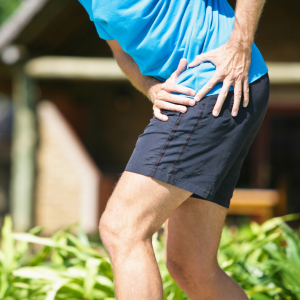
Why Runners in Seaton Develop Hip Pain
Hip pain in runners is commonly linked to repetitive tendon load rather than a single injury. A chiropractor near Seaton may see this in runners who increase training volume too quickly or return to running without enough recovery time. Repeated loading through the hip can irritate the gluteal tendons and contribute to persistent outer hip pain.
Common contributors include:
- Sudden increases in running distance or intensity
- Hill running or uneven terrain
- Overstriding, which may increase hip loading
- Reduced hip and glute strength
- Limited recovery between running sessions
A chiropractor for hip pain runners may assess movement patterns, training habits, and factors that may increase stress around the hip. Current evidence suggests that progressive strengthening and careful load management are important parts of gluteal tendinopathy rehab and recovery.
Can Chiropractic Care Help Gluteal Tendinopathy?
A chiropractor near Seaton may support runners with gluteal tendinopathy by assessing movement patterns, training load, and hip function. Many people searching for a chiropractor for runners near Seaton want guidance on managing pain while staying active during recovery.
Chiropractic care for gluteal tendinopathy may include:
- Assessment of movement and running mechanics
- Advice on activity modification and load management
- Guidance on gradual return to running
- Exercise support alongside rehabilitation programs
Study suggests that strengthening exercises and progressive tendon loading are the main evidence-based approaches for gluteal tendinopathy rehab. A running hip pain treatment chiropractic approach may be used alongside these strategies to help manage stiffness or movement limitations, but exercise-based rehabilitation remains the primary focus for long-term improvement.
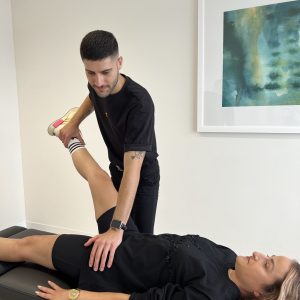
What Works Best for Gluteal Tendinopathy
Long-term improvement depends on how the hip is loaded over time. A chiropractor near Seaton often sees better outcomes when runners follow structured strengthening rather than relying on rest alone. A Maffra chiropractor and a chiropractor near Seaton both typically focus on progressive load and consistency.
Key strengthening exercises include:
- Hip abduction exercises for lateral hip strength
- Glute bridges for pelvic control
- Side planks for core and hip endurance
- Controlled walking and graded running progressions
This structured approach is often followed for at least 12 weeks. A chiropractor near Seaton for hip pain may guide progression to avoid sudden load spikes that can irritate the tendon.
Exercises and Return-to-Running Strategies
A chiropractor near Seaton may help runners return to activity gradually by supporting load management and exercise progression. Many runners want to continue training during recovery, but controlled progression is important to avoid aggravating tendon pain.
Practical strategies may include:
- Run/walk intervals to gradually rebuild tolerance
- Slight increases in running cadence to reduce hip load
- Avoiding hills and uneven surfaces early in recovery
- Keeping training increases gradual and manageable
Supportive exercises may include:
- Single-leg balance drills
- Step-ups for functional strength
- Side-lying leg raises
- Core and pelvic stability exercises
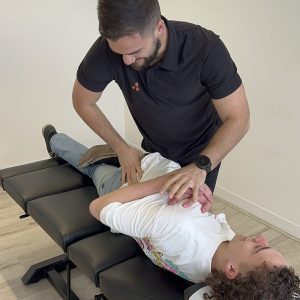
A chiropractor near Seaton for hip pain may also use manual therapy for hip pain or chiropractic adjustment hip alignment approaches to assist short-term comfort or movement. However, current evidence shows that long-term improvement in gluteal tendinopathy is most strongly linked to consistent strengthening, education, and gradual tendon loading.
What Makes Hip Pain Worse (What to Avoid)
Many runners unintentionally worsen symptoms through daily habits. A chiropractor near Seaton often reviews lifestyle and training behaviours that increase hip compression or strain.
Common aggravating factors include:
- Sitting with crossed legs for long periods
- Lying on the painful side
- Sitting on hard surfaces that compress the hip
- Running through sharp or worsening pain
- Sudden increases in training load
A chiropractor for hip pain runners may explain how these habits increase tendon stress and slow recovery. Reducing these factors supports more consistent progress in chiropractic care for gluteal tendinopathy.
How to Know If It Is Gluteal Tendinopathy or Something Else
Outer hip pain can develop from several different conditions, so proper assessment is important. A chiropractor near Seaton may assess symptom patterns, movement, and activity history to help identify whether symptoms are consistent with gluteal tendinopathy or another source of hip pain.
Signs commonly associated with gluteal tendinopathy include:
- Outer hip pain when lying on the affected side
- Pain during running, especially hills or stairs
- Discomfort during single-leg activities
- Gradual symptom onset rather than sudden injury
A chiropractor for hip pain runners may also recommend further assessment if symptoms suggest other causes such as referred lower back pain, joint irritation, or other soft tissue conditions. Identifying the correct source of pain can help guide more appropriate gluteal tendinopathy rehab and exercise progression.
When to See a Chiropractor or Health Professional
A chiropractor near Seaton is sometimes consulted when hip pain continues despite rest or activity changes. Many runners seek support when symptoms begin affecting training, sleep, or daily movement.
Signs it may be time to seek professional advice include:
- Pain lasting several weeks without improvement
- Difficulty running, walking, or climbing stairs
- Hip pain affecting sleep or lying positions
- Symptoms returning after activity increases
- Limited progress with basic strengthening exercises
A chiropractor for runners near Seaton may work alongside other health professionals as part of a broader rehabilitation approach. Current evidence supports exercise-based rehabilitation, progressive strengthening, and load management as key components of recovery from gluteal tendinopathy.
Getting Back to Running Stronger
A chiropractor near Seaton may support runners returning to activity after outer hip pain by encouraging gradual progression and consistent rehabilitation. Many runners benefit from rebuilding hip strength and improving movement control before increasing running intensity or distance.
Recovery is often more effective when:
- Training load increases gradually
- Strength exercises are performed consistently
- Running habits and symptoms are monitored
- Progressions are adjusted early if pain worsens
A Maffra chiropractor or chiropractor near Seaton may also include manual therapy for hip pain or chiropractic adjustment hip alignment techniques as part of a broader management plan. However, current evidence suggests that long-term improvement in gluteal tendinopathy is most strongly linked to progressive strengthening, tendon loading, and careful activity management.