
Table of Contents
Jaw pain, clicking, headaches, and facial tension are common concerns for many people in Healesville and across the Yarra Valley. Stress, teeth grinding, jaw overuse, poor posture, and muscle tension around the face and neck may all contribute to temporomandibular joint (TMJ) symptoms.
Research also suggests TMJ disorders are commonly associated with headaches, neck discomfort, and muscle tightness. A peer-reviewed study of temporomandibular disorders further supports the link between TMJ dysfunction and symptoms such as pain, reduced jaw function, and overlapping head and neck complaints, highlighting the complex relationship between jaw mechanics and surrounding musculoskeletal structures.
Many people searching for a TMJ chiropractor in Healesville are looking for conservative, non-surgical ways to manage jaw discomfort and improve daily function. Chiropractic care may help support symptom management by addressing posture, neck mobility, muscle tension, and movement patterns that can contribute to TMJ-related pain.
What Is TMJ and Why Does My Jaw Hurt?
What Does TMJ Stand For?
The temporomandibular joint (TMJ) connects the jaw to the skull and is used for chewing, speaking, and yawning. Temporomandibular disorders (TMD) occur when the joint or surrounding muscles become irritated or do not function smoothly.
Many people visiting a TMJ chiropractor Healesville practice report symptoms linked to muscle tension, jaw overuse, or neck and upper back strain.
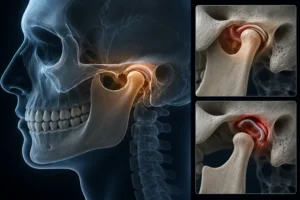
Common TMJ Symptoms
A TMJ pain relief chiropractor may commonly see symptoms such as:
- Jaw pain or tenderness
- Clicking or popping sounds
- Jaw stiffness or locking
- Headaches and facial tension
- Neck and shoulder discomfort
- Ear pressure or aching
- Pain when chewing
Common Causes and Triggers
TMJ symptoms are often linked to multiple factors rather than one single cause. Common contributors include:
- Teeth grinding or clenching
- Stress and muscle tension
- Jaw overuse
- Neck and posture strain
- Previous jaw injury
A jaw alignment chiropractor may assess these contributing factors as part of a broader musculoskeletal evaluation.
Conventional TMJ Treatment Options in Healesville and Melbourne
Dental Care for TMJ
Dentists commonly manage TMJ symptoms associated with grinding, clenching, or bite-related stress.
Treatment may include:
- Night guards or splints
- Bite assessment
- Tooth wear management
- Advice for clenching habits
Dental assessment is important if symptoms involve significant grinding, tooth damage, or bite dysfunction.
Physiotherapy for TMJ
Physiotherapy is commonly used to improve jaw mobility and reduce muscle tension in the jaw, neck, and upper back. Treatment may include:
- Manual therapy
- Soft tissue techniques
- Jaw and neck exercises
- Postural training
- Dry needling (in some cases)
A chiropractor or physiotherapist for jaw and neck pain may both assess posture and muscle function as part of care.
Medical Management
GPs or medical specialists may recommend:
- Pain relief medication
- Anti-inflammatory medication
- Muscle relaxants in selected cases
- Specialist referral when needed
Medical assessment may be important for persistent, severe, or unexplained symptoms.
Where Chiropractic Fits In
A TMJ chiropractor in Healesville may form part of a broader conservative care approach alongside dental and physiotherapy management.
People seeking chiropractic care for TMJ disorder are often looking for support with:
- Muscle tension,
- Posture-related strain,
- Neck stiffness,
- Headaches,
- Jaw movement discomfort.
Chiropractic care is generally focused on improving movement, reducing muscular tension, and supporting overall function rather than offering a “quick fix” for TMJ disorders.
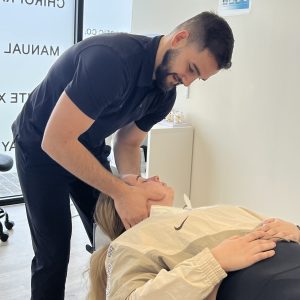
Our Approach to TMJ Care in Healesville
At our Healesville chiropractic practice, TMJ-related symptoms are assessed as part of a broader musculoskeletal and movement evaluation. Dr. Lachlan Sheppard commonly assesses contributing factors such as:
- Neck and upper back stiffness,
- Posture-related strain,
- Stress-related muscle tension,
- Jaw movement patterns,
- Lifestyle habits that may influence symptoms.
Because TMJ discomfort can involve multiple contributing factors, care is typically focused on conservative management strategies designed to support movement, reduce muscular tension, and improve overall function.
Where appropriate, referral to a dentist, GP, or other healthcare provider may also be recommended to ensure clients receive comprehensive care.
Conservative Care for TMJ Symptoms
Conservative management is generally recommended as the first-line approach for many TMJ disorders. This may include:
- Exercise,
- Posture management,
- Stress reduction,
- Manual therapy,
- Sleep habit improvements,
- Self-care strategies.
More invasive procedures are usually considered only when symptoms are persistent, severe, or linked to structural issues requiring specialist assessment.
Can Chiropractors Help TMJ Jaw Pain?
Some people with TMJ-related jaw pain may benefit from conservative chiropractic care focused on muscle tension, posture, neck mobility, and movement patterns. Chiropractic care is generally used as part of a broader management approach rather than as a standalone treatment.
How Chiropractors Address TMJ Disorders
1. Initial Assessment
A TMJ chiropractor Healesville clients visit will usually assess:
- Jaw movement and function
- Neck and upper back posture
- Muscle tension patterns
- Headache or pain history
- Lifestyle and stress factors
A chiropractor for TMJ jaw pain focuses on identifying musculoskeletal contributors rather than diagnosing structural jaw disease.
2. Manual Therapy Approaches
Chiropractic care for TMJ disorder may include gentle techniques aimed at improving mobility and reducing tension, such as:
- Joint mobilisation (jaw, neck, upper back)
- Soft movement-based therapy
- Postural correction strategies
- Muscle relaxation techniques
Forceful jaw manipulation is generally not the focus of conservative care.
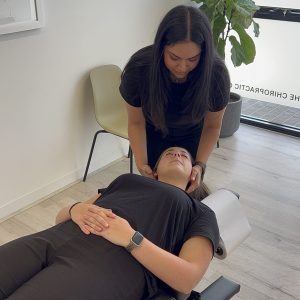
3. Soft Tissue Therapy
A TMJ pain relief chiropractor may use soft tissue techniques to reduce tightness in surrounding muscles, including:
- Trigger point therapy
- Jaw and neck massage
- Myofascial release
- Muscle relaxation work
4. Exercises and Home Care
A TMJ chiropractor Healesville patients see may also recommend self-care strategies such as:
- Jaw relaxation exercises
- Controlled opening movements
- Chin tucks and posture work
- Stress reduction strategies
- Avoiding clenching habits
What to Expect During a TMJ Chiropractic Appointment
First Visit
A TMJ chiropractor Healesville consultation typically includes:
- Assessment of jaw and neck movement
- Postural screening
- Discussion of symptoms and triggers
- Review of habits such as grinding or stress
- Care planning
People seeking the best chiropractor for TMJ often prefer a tailored, conservative approach.
Follow-Up Care
Follow-up visits focus on monitoring progress and adjusting care, which may include:
- Manual therapy updates
- Exercise progression
- Posture advice
- Symptom tracking
Recovery Timeline
Some people notice short-term improvement in muscle tension or comfort within a few sessions. More persistent TMJ issues may require longer-term management and combined care.
A TMJ chiropractor Healesville provider will usually adjust care based on response rather than using a fixed timeline.
Why Healesville Locals Choose Conservative TMJ Care
Many people in Healesville and nearby Yarra Valley communities look for conservative care options that may help support:
- Jaw comfort,
- Posture,
- Muscle tension management,
- Overall movement.
Living and working locally in the Yarra Valley, Dr. Lachlan understands the importance of accessible, community-based care that supports people in staying active and maintaining quality of life.
For individuals dealing with stress-related clenching, desk posture strain, headaches, or neck tension, a movement-focused and conservative approach may form part of a broader TMJ management plan.
Frequently Asked Questions
A TMJ chiropractor Healesville provider may use gentle techniques around the jaw and neck to support movement and reduce tension. A jaw alignment chiropractor may also assess posture-related factors.
Some patients report symptom relief, but evidence for reducing jaw clicking is limited. A TMJ pain relief chiropractor focuses mainly on muscle and joint function support.
It varies depending on severity, duration, and contributing factors. Some people improve quickly, while others require ongoing care from a TMJ chiropractor Healesville provider.
Poor posture may contribute to muscle strain in the jaw and neck. A jaw and neck pain chiropractor may address posture as part of management.
Generally, care is gentle and conservative, but suitability depends on the individual. A chiropractor Healesville TMJ provider may refer patients when needed.