
Have you ever stood up too fast and felt like the room was spinning? Or turned your head quickly and suddenly felt dizzy for no reason? These are common signs of vertigo, and while they’re often brushed off, they can seriously affect how you go about your day. For many people in the Trafalgar and Gippsland region, these episodes aren’t just occasional, they’re ongoing and frustrating. If that sounds familiar, it might be time to look into how a Trafalgar chiropractor could help.
Vertigo and balance problems come in many forms, and the causes can be just as varied. From inner ear issues to problems in the neck, there’s more going on than most people realise. Whether it’s a chiropractor for vertigo or someone who focuses on posture and spinal health, the right professional could help you feel grounded again.

What Causes Vertigo and Dizziness?
Vertigo is a sensation that makes you feel like you or your surroundings are spinning or moving when everything is actually still. It’s different from just feeling dizzy or lightheaded. It’s more like the room is tilting or rotating. This feeling can be brief or last for hours and is often triggered by changes in head position. Vertigo is usually caused by issues in the inner ear or the nervous system, and it can lead to problems with balance, nausea, or unsteadiness.
Benign Paroxysmal Positional Vertigo (BPPV)
This is one of the most common causes of vertigo. It happens when tiny crystals in your inner ear move where they shouldn’t, sending confusing signals to your brain about balance. This often triggers sudden dizziness when lying down, rolling over in bed, or turning your head quickly. It’s uncomfortable but treatable with the right guidance. Many people don’t even realise this can be resolved without medication or invasive procedures.
Cervicogenic Dizziness
Cervicogenic dizziness has nothing to do with the inner ear. It’s linked to stiffness or misalignment in the neck, which can mess with the body’s sense of balance and movement. This type of dizziness often goes hand in hand with neck pain, poor posture, or previous injuries like whiplash. It’s subtle, but once identified, can often be managed through corrective chiropractic care. Knowing the cause is half the battle. It’s what helps shape the right treatment plan.
How Chiropractors Figure Out What’s Going On
A good Trafalgar chiropractor will start with a proper assessment. They’ll ask about your symptoms, health history, and what triggers your dizziness. From there, they might run balance or posture tests, or do a simple head movement test like the Dix-Hallpike manoeuvre to check for BPPV. These steps help narrow down whether the issue is coming from your neck, your inner ear, or something else entirely.
If something doesn’t seem right like vision changes, hearing loss, or severe nausea, they’ll let you know and refer you to a GP or specialist. Chiropractic care works best when it’s part of a bigger picture. And the good ones know when to bring in extra help. Whether you’re seeing a Warragul chiropractor, someone in Melbourne, or a local expert down the street, that kind of transparency is a good sign you’re in safe hands.
Treatments That Actually Help
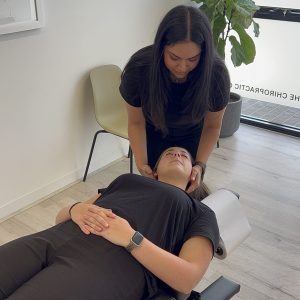
Once your chiropractor knows what’s causing your vertigo, they’ll create a plan to help you feel more stable. For neck-related dizziness, this might include gentle spinal adjustments aimed at improving mobility and reducing nerve irritation. These aren’t aggressive or forceful. They use targeted, calm techniques that aim to reset how your body communicates with your brain. Over time, this can help reduce symptoms like fogginess, tension, and that annoying off-balance feeling.
If your vertigo is caused by BPPV, your chiropractor might use the Epley manoeuvre, a specific movement technique designed to guide those misplaced inner-ear crystals back where they belong. It’s simple but effective and often gives people instant relief. Some may also use soft tissue work or offer posture advice to support your recovery. In some cases, you might even get a full body chiropractic adjustment to help bring everything into balance from head to toe.
What Happens During a Chiropractic Visit?
When you book a chiropractic appointment in Melbourne, the first session is usually about getting the full picture. You’ll go through an initial consultation, including some physical checks and a discussion about your symptoms. Don’t worry, there’s no pressure to jump into anything you’re unsure about. Most chiropractors will walk you through what’s going on and what your treatment options look like. The focus is always on comfort, clarity, and what suits your needs.
You might be offered a treatment plan that includes a few sessions close together at first, then spaces out over time. The goal is long-term stability, not just quick fixes. Many clinics will also give you exercises or lifestyle tips to do between visits. If you’re based in Trafalgar or surrounding areas like Warragul, it’s worth asking about local accessibility, parking, or if they offer after-hours care. Some may even support DVA clients or private health rebates, depending on the setup.
When to Choose a Chiropractor and When Not To
Chiropractic care works really well for certain kinds of vertigo, especially if it’s coming from your neck or related to simple head movements like BPPV. If your symptoms started after a car accident, or if they flare up with poor posture or sleep position, that’s another clue that you need a good chiropractor Melbourne. But it’s not always the answer for everything.
If your dizziness is tied to hearing problems, severe migraines, or balance issues that are getting worse fast, you’ll likely need extra tests from an ENT or neurologist. The best chiropractors won’t hesitate to tell you this. They’ll work alongside your GP or physio to make sure your care is safe and complete. That’s the benefit of local chiropractic Melbourne options, you can often get quick support and clear advice without the wait.
Easy Things You Can Do at Home
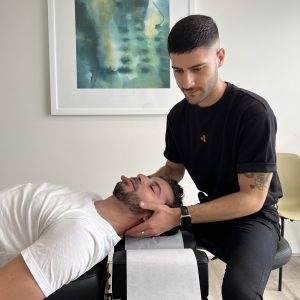
While treatment is important, managing vertigo also includes some simple things you can do on your own. Your chiropractor might give you vestibular rehabilitation exercises like gaze stability drills or balance training to help your brain adapt to movement better. These aren’t intense, just gentle routines you can do at home that make a real difference over time.
Neck stretches and posture fixes can also go a long way, especially if your dizziness is triggered by long hours sitting at a desk. Things like adjusting your pillow height, moving more often during the day, and checking your workstation setup can all play a part. And for those moments when you feel unsteady, keep a clear path at home, take your time getting up, and use support rails if needed. Small changes can really support the work done in the clinic.
Local Care Makes a Big Difference
If you live in Trafalgar or anywhere nearby in Gippsland, getting care close to home just makes sense. You don’t want to be driving long distances when you’re feeling dizzy. Having a Trafalgar chiropractor nearby means you can book regular check-ins without too much disruption. And for those in nearby areas, there’s always the option of a Warragul chiropractor or similar support within the region.
When you book your first chiropractic appointment in Melbourne, come prepared. Jot down your symptoms, note when they started, and bring along any test results or referral letters you might have. This helps your chiropractor get the full picture and give you the best advice from the start. If you’ve got private health insurance, check if they’re covered. Most clinics are, but it’s always good to double-check.
Some Questions People Always Ask
Yes, especially when done by a trained professional who understands your specific symptoms. Safety screening is part of every initial session.
It depends on what’s causing your vertigo. Some people feel relief after one session, others need a few weeks.
That’s totally fine. Chiropractic care often works best when combined with other support like ENT or physio referrals.
Yes, if your dizziness is related to posture or multiple joint issues, a full body chiropractic adjustment may help restore balance.
No, you can book directly with a chiropractor. But if you’re unsure, your GP might help guide you to the right provider.
Feeling Dizzy Doesn’t Have to Be Your “New Normal”
Dealing with vertigo and balance problems can be frustrating. But the good news is there are options; simple, natural, and effective ones that can help you get back to feeling steady again. Whether your symptoms are tied to your neck, your posture, or your inner ear, a trusted Trafalgar chiropractor might be able to help you find relief.
Everyone’s experience is different, and recovery doesn’t always happen overnight. But when you’ve got someone on your side who listens, explains things clearly, and offers care that suits your body, it makes all the difference. So if you’ve been feeling a little off-balance lately, don’t ignore it. There’s real support out there, close to home, and ready when you are.