
Table of Contents
Living with constant dizziness or vestibular migraines can make everyday tasks feel exhausting. Studies show that dizziness affects many people and often leads to balance problems, anxiety, and reduced quality of life. Despite how common it is, only a small number of those affected get the right diagnosis. This ongoing discomfort can impact work, movement, and confidence.
A vestibular migraine chiropractor offers a gentle, drug-free way to manage these symptoms. By using precise spinal adjustments, especially in the neck area, chiropractors help restore balance and reduce pressure on nerves linked to dizziness and migraine triggers. Many patients report feeling steadier and less dizzy after care.
For those seeking natural relief, visit a local chiropractic clinic in Melbourne. Many chiropractic clinics in Melbourne like The Chiropractic Co. now focus on helping people manage chronic dizziness and improve their quality of life through personalised chiropractic treatment Melbourne services.

Understanding Vestibular Migraine and Chronic Dizziness
A vestibular migraine is a neurological condition that causes dizziness, vertigo, and balance problems, often with or without the usual migraine headache. It affects about 1% of the population, mostly women, and many remain undiagnosed or misdiagnosed. Unlike typical migraines focused on head pain, vestibular migraines disrupt the brain’s balance system, leading to symptoms such as:
- Spinning or swaying sensations (vertigo)
- Dizziness and unsteadiness
- Balance and coordination issues
- Blurred vision, flashing lights, or visual discomfort
- Nausea, neck stiffness, and fatigue
A vestibular migraine chiropractor helps by addressing how the neck and upper spine influence the vestibular system, the body’s internal balance centre. When the upper cervical spine is misaligned, it can affect nerve communication between the brainstem, inner ear, and spinal cord, increasing dizziness and motion sensitivity. Through gentle chiropractic treatment in Melbourne, these misalignments can be corrected to support normal nerve and balance function.
How Vestibular Migraines Affect Balance and the Nervous System
Vestibular migraines can interfere with how your body maintains balance and processes movement. Here’s how they affect your system:
- Disrupt the vestibular system: They interfere with the inner ear and brain areas that control balance and spatial awareness.
- Trigger dizziness and vertigo: Confused signals between the eyes, muscles, and brain cause spinning or unsteady sensations.
- Affect coordination: Poor communication between balance centers can lead to clumsy movements and motion sensitivity.
- Cause lingering imbalance: Even after migraines ease, many people still feel unsteady especially in low-light or visually busy environments.
- Involve the neck and spine: Tension or misalignment in the cervical spine can worsen nerve interference and dizziness.
- Benefit from chiropractic care: Gentle spinal adjustments can help restore alignment, support nerve function, and improve balance.
How Chiropractic Care Helps Manage Vestibular Migraines
Chiropractic care focuses on improving the connection between the spine, nerves, and brain to support better balance and reduce migraine symptoms. Here’s how it helps:
- Restores spinal alignment: Gentle adjustments correct misalignments in the neck that can disrupt balance signals.
- Improves nerve communication: A well-aligned spine allows smoother message flow between the brain and body.
- Reduces muscle tension: Targeted chiropractic techniques ease neck and shoulder tightness that may trigger or worsen migraines.
- Enhances blood flow: Proper spinal movement supports circulation to the brain, helping reduce migraine intensity and frequency.
- Supports vestibular function: Aligning the cervical spine can improve how the body processes motion and spatial awareness.
- Promotes long-term balance: With regular care, many patients experience steadier movement and fewer dizzy episodes.
Chiropractic Techniques for Vestibular Migraine and Dizziness
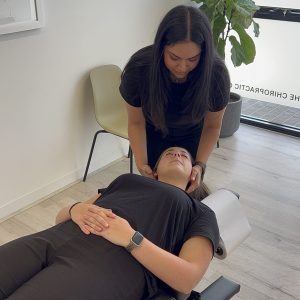
A vestibular migraine chiropractor often uses gentle, precise techniques that target the upper cervical spine to help relieve dizziness, vertigo, and migraine symptoms. These methods focus on correcting misalignments in the C1 (atlas) and C2 (axis) vertebrae near the brainstem, an area that plays a vital role in balance, coordination, and nerve communication. Misalignments in this region can disrupt blood flow and nerve signals, leading to vestibular dysfunction and migraine flare-ups. Common techniques include:
- Upper Cervical Chiropractic Care: Focuses on aligning the upper neck to restore proper nerve and blood flow.
- Atlas Orthogonal Technique: Uses a gentle, instrument-assisted adjustment to correct atlas misalignment without twisting or cracking, promoting natural balance recovery.
- Blair Technique: Combines precise imaging and tailored adjustments to restore neurological function and reduce vestibular migraine symptoms.
These targeted methods are safe, non-invasive, and effective for those seeking long-term relief without medication.
What to Expect During a Chiropractic Assessment
When visiting a vestibular migraine chiropractor, the assessment is designed to identify the root cause of dizziness and migraine symptoms through a structured, evidence-based approach:
1. Health History & Symptom Review
Your chiropractor will ask about how often dizziness or migraines occur, their intensity, triggers, and how they affect your daily life. This helps identify possible vestibular or cervical connections.
2. Posture & Spinal Alignment Check
A physical and visual examination focuses on your neck and upper spine to assess posture, muscle tension, and joint mobility. Misalignments or stiffness in this area may interfere with nerve signals that affect balance.

3. Diagnostic Imaging & Balance Tests
In some cases, X-rays or MRI scans are used to check cervical spine structure. Simple balance assessments, such as the Romberg test or eye movement evaluations, help detect vestibular system dysfunction.
4. Root Cause Identification
After analysing all findings, the chiropractor determines contributing factors such as:
- Cervical misalignments disrupting nerve communication
- Postural imbalances creating muscle strain
- Nerve interference affecting vestibular pathways
This process allows the vestibular migraine chiropractor to create a tailored care plan focused on spinal correction, improved mobility, and restored nerve communication.
The Chiropractic Treatment Process for Vestibular Migraines and Dizziness
A vestibular migraine chiropractor focuses on gentle, step-by-step care to restore spinal alignment, improve posture, and reduce dizziness. Each treatment plan is tailored to the patient’s symptoms and recovery goals, combining hands-on techniques with lifestyle guidance. Here’s what a typical care plan may include:
- Gentle Spinal Adjustments: Precise, low-force adjustments, especially in the upper neck, help correct misalignments that may affect balance and nerve communication. Many patients notice reduced dizziness and migraine frequency after consistent care.
- Soft Tissue Therapy: Techniques like massage, stretching, and myofascial release target tight muscles around the neck and shoulders, improving circulation and mobility.
- Posture and Movement Correction: Chiropractors teach better postural habits and movement patterns to relieve neck strain and prevent recurring symptoms.
- Home Exercises and Ergonomic Advice: Simple exercises and workspace tips help strengthen neck and core muscles while reducing daily stress on the spine.
Regular follow-ups ensure ongoing progress and lasting results. Many chiropractic clinics in Melbourne offering vestibular care have found that early and consistent treatment from a good chiropractor supports long-term stability.