
Back pain after driving is often linked to sitting still for long periods, a seat that isn’t set up for you and too few breaks. Set your seat before you leave, plan a break at least every two hours to walk and move, and get recurring or persistent pain checked. New bowel or bladder changes, numbness around the groin or saddle area, or severe leg weakness need urgent medical care.
If back pain after driving keeps returning and you’d like it assessed, you can book online with our Korumburra chiropractors or call 03 5638 2631.
Long drives are part of life in South Gippsland. You might commute towards Melbourne, spend your working day in a ute between Leongatha and Wonthaggi, or be getting ready for a summer road trip. However far you go, back pain after driving is common, and it’s worth understanding what might be contributing to it.
This guide covers why your back can feel sore after time behind the wheel, how to set up your car seat, how often to stop and what to do when you arrive feeling stiff. It also explains when it may be worth having your symptoms assessed.
Why Does Your Back Hurt After Driving?
Driving holds your body in one position for much longer than most daily activities do. Even a good seat can start to feel uncomfortable after a couple of hours. Several things can contribute.
- Sitting in one position too long. Your back muscles and surrounding tissues are designed to move. After hours without a change of position, they can feel tight or achy. You might feel fine while driving and only notice the stiffness when you stand up.
- Seat position and posture. A seat set too far from the pedals can have you stretching your legs or leaning forwards. A poorly adjusted backrest can leave you hunting for a position that feels supported. Small adjustments can make driving more comfortable for some people.
- Few chances to move. Driving takes concentration, so it’s easy to lose track of time. Traffic, holiday congestion and tight work schedules can push breaks later than you planned.
- Work vehicles and rough roads. Utes, trucks, vans and farm vehicles often have firmer seats, more vibration and more climbing in and out. On a long day, that can leave your back working harder.
- Bulky items in your back pocket. A wallet or phone in your back pocket can make sitting less comfortable. It’s worth taking it out before you get in.
How to Set Up Your Car Seat
Spend a minute on your setup before you leave. Work through this list in order:
- Seat distance: Reach the pedals without stretching your legs or locking your knees.
- Backrest: Choose an angle that supports your back without slumping or leaning far forwards.
- Steering wheel: Keep it within easy reach so you’re not hunching your shoulders or leaning in.
- Mirrors: Set them after your seat so you can see clearly without repeatedly twisting.
- Back pockets: Remove your wallet, phone and any other bulky items.
- Controls: Make sure you can operate the pedals, wheel and other controls safely.
Some drivers prefer to use a small lumbar roll or cushion. If you try one, it shouldn’t push you forward off the seat or change how you reach the pedals.
There’s no single position that suits everyone, and a perfectly rigid posture isn’t the goal. Aim for a supported position that lets you drive safely, and change position when it’s safe to do so. If you switch between vehicles, such as a work ute and the family car, check your setup each time.
How Often Should You Stop on a Long Drive?
Plan a break at least every two hours, and sooner if you feel stiff, tired or find it hard to concentrate. Pull over somewhere safe, get out, walk for a few minutes and change position. Planning breaks before you leave tends to work better than waiting until your back hurts.
Regular breaks are also an important part of managing driver fatigue, so the same habit supports safer driving as well as a chance to move. Keep water in the car and sip regularly through the trip.
You don’t need an intense workout. The aim is simply to move after sitting still.
Four Gentle Movements for Your Breaks
- Gentle standing back movement. Stand upright with your feet comfortably apart and your hands on your hips. Gently move your upper body backwards a small amount, only if it feels okay, then return to neutral. Keep it slow and controlled.
- Easy walking. Walk around the rest area at a relaxed pace and let your arms swing naturally. A few minutes is enough to change position after sitting.
- Gentle hip movements. Stand with your feet about hip-width apart and slowly shift your weight from one foot to the other. You can also march gently on the spot. Hold onto something stable if you need help with balance.
- Shoulder rolls. Stand well away from traffic and slowly roll your shoulders forwards, then backwards. Keep your neck relaxed and breathe normally. This can feel good after gripping the steering wheel for a long time.
Important: These are general movement suggestions, not individual treatment advice, and the right movements depend on the person. Stop if a movement increases your pain, causes dizziness or brings on new symptoms. A qualified health professional can help you decide which movements suit you. Never stretch or exercise while driving. Always park safely first.
Before and After the Drive
Before you go: Walk around for a minute or two and move gently before you get in. Take your wallet out of your back pocket and put water within reach.
When you arrive: Walk around for a few minutes before you lift bags or start heavy work.
Do You Drive for Work?
Tradies, farm contractors, delivery drivers and school-run parents can spend more hours behind the wheel than most. A few habits can help:
- Check your seat setup every time you switch vehicles.
- Build breaks into your job schedule rather than fitting them in when you can.
- Take care climbing in and out of high cabs, and avoid twisting as you step down.
- Pay attention to patterns. If your back or neck is sore at the end of most driving days, it’s worth getting checked.
Driving Around South Gippsland
For many locals, long drives are routine: Korumburra to Melbourne, regular runs to Leongatha, Wonthaggi, Inverloch or Warragul, or trips through Poowong, Loch, Nyora and Lang Lang. Those hours add up over a week, even when no single trip feels long.
Over summer, holiday traffic can stretch journeys out. Allow extra time so you can still stop when you need to, rather than pushing on.
What to Do When You Arrive and Your Back Feels Stiff
Stiffness after a long drive is common, but it doesn’t tell you exactly what’s causing the discomfort.
Start gently. Stand up carefully and walk around at a relaxed pace, as long as moving feels okay. Avoid forcing deep stretches or jumping straight into strenuous exercise.
Watch how it behaves. Notice whether the discomfort eases once you move or lasts through the day. Take note if it becomes more intense or starts to affect your usual activities.
Keep it in perspective. Not every episode of stiffness is serious, but don’t ignore symptoms that persist, worsen or feel unusual for you.
Warning Signs: When to Seek Urgent Medical Care
Some symptoms need more than rest or gentle movement. Seek urgent medical assessment if you develop:
- New bowel or bladder control problems
- Numbness around the groin or saddle area
- Severe or progressive leg weakness
In an emergency, call 000.
Back pain after a serious accident or injury also needs prompt medical assessment. Fever, unexplained weight loss or a history of serious illness alongside back pain are worth a timely medical review, so speak to your GP.
Chiropractic care may be an option for suitable cases of back pain. It shouldn’t replace urgent medical care when warning signs are present.
When Should You Get Your Back Pain Checked?
Occasional stiffness after a long journey often settles with movement and time. Recurring or persistent pain is worth having looked at. Consider seeking professional advice if:
- your back pain lasts several days without improving
- the discomfort keeps returning after you drive
- pain interferes with sleep, work or everyday activities
- you notice new pins and needles or numbness
- you’re unsure whether movement or exercise is right for your symptoms
If you’re not sure whether your symptoms need attention, your GP or a chiropractor can help you decide on next steps.
What Happens During a Chiropractic Assessment in Korumburra?
At your first visit, your chiropractor will talk through your health history, including when the pain started, what makes it better or worse and how it affects your day. They will carry out a chiropractic examination, a postural evaluation and if clinically required digital X-rays.
If your presentation suggests another medical issue, your chiropractor may recommend further assessment or referral. Chiropractic care isn’t suitable for every cause of back pain, so the assessment is also how you find out whether it’s appropriate for you.
No GP referral is required for private clients.
What to bring: A list of your medications, any relevant medical information, and details of recent injuries or previous episodes of back pain.
Your Chiropractor in Korumburra and South Gippsland
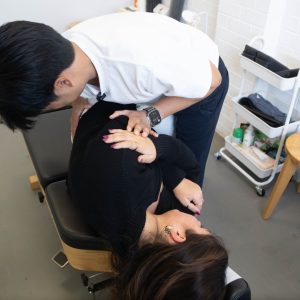
We see patients from Korumburra and across South Gippsland, including Leongatha, Wonthaggi, Inverloch, Poowong, Loch, Nyora and Lang Lang.
The Chiropractic Co. Korumburra
- Address: 1/43 Commercial Street, Korumburra VIC 3950
- Phone: 03 5638 2631
- Hours: Monday to Thursday, 8am to 6pm
- Email: korumburra@thechiropracticco.com.au
- Book online: thechiropracticco.com.au/korumburra
New Patient Offer: $79 First Appointment
New patients can book a first appointment at The Chiropractic Co. Korumburra for $79. The appointment includes a health history, a chiropractic examination and a postural evaluation.
Terms and conditions
- Available to new patients only. A new patient is someone who hasn’t previously attended The Chiropractic Co. Korumburra.
- One use per person, for the first appointment only.
- Not available in conjunction with any other offer or discount.
- Follow-up appointments are charged at standard fees of $80 per standard consultation.
- This offer is not a recommendation that you need ongoing care. Any further care is discussed with you based on your assessment.
Frequently Asked Questions About Back Pain After Driving
It's often related to sitting for long periods, limited movement or a seat position that doesn't suit you. Other causes are possible, so persistent or recurring pain is worth having assessed.
Plan a break at least every two hours, and stop sooner if you're stiff, tired or struggling to concentrate. Always choose a safe place to stop.
Set the seat so you can reach the pedals without stretching, keep your back supported, and have the steering wheel within easy reach. Set your mirrors after your seat and make sure you can operate every control safely.
See a health professional if the pain persists, keeps returning or affects sleep and daily activities, or if you notice pins and needles or numbness. For symptoms that need urgent care, see the warning signs section above.
A chiropractor can assess your symptoms, medical history and physical function, discuss whether chiropractic care is suitable for you, and refer you on if something else needs attention.
No GP referral is required for private clients. You can book online or call 03 5638 2631.
Take the Next Step
Long drives are part of life in South Gippsland. A little planning can make them more comfortable: set your seat before you leave, plan your stops, move gently when it’s safe and pay attention to symptoms that persist or worsen.
If back pain after driving keeps returning and you’d like it assessed, you can book an appointment with our Korumburra chiropractors or call 03 5638 2631 (Monday to Thursday, 8am to 6pm).
This article provides general information only and is not a substitute for individual medical advice. If you’re concerned about your health, speak to your GP or another qualified health professional.