
Table of Contents
Recurring headaches can affect your ability to work, exercise, sleep, and enjoy everyday life. While many people assume headaches always originate in the head, some headaches actually begin in the neck. These are known as cervicogenic headaches, where pain is referred from structures within the cervical spine to the head.
If you’re experiencing headaches alongside neck pain, stiffness, or reduced mobility, consulting a chiropractor for cervicogenic headaches can help determine whether dysfunction within the cervical spine may be contributing to your symptoms. At The Chiropractic Co. Plenty, our experienced team provides comprehensive assessments to identify the underlying factors influencing your symptoms rather than simply focusing on short-term relief.
Conveniently located at 10/285 Diamond Creek Road, Plenty VIC 3090, our practice welcomes patients from Plenty and surrounding suburbs, including Greensborough, Diamond Creek, Briar Hill, Yarrambat, Doreen, South Morang, Heidelberg, and nearby communities.
If you’re interested in learning more about how we support local residents, read our guide to Plenty chiropractic care serving Briar Hill and surrounding suburbs.
Whether you’re looking for a trusted chiropractor Plenty residents recommend or want to learn more about neck-related headaches; this guide explains what cervicogenic headaches are, common causes, how they’re assessed, and how evidence-informed chiropractic care may support your recovery

Quick Answer: Can Neck Problems Cause Headaches?
Yes. Cervicogenic headaches occur when pain originates from joints, muscles, ligaments, or nerves in the neck but is felt in the head. They often occur alongside neck stiffness, reduced mobility, or discomfort that worsens with prolonged sitting, driving, or computer work.
A chiropractor for headaches can assess whether dysfunction within the cervical spine is contributing to your symptoms. Following a thorough examination, your chiropractor may recommend an individualised management plan that includes manual therapy, exercises, posture advice, and lifestyle recommendations where clinically appropriate.
What Are Cervicogenic Headaches?
A cervicogenic headache is a secondary headache, meaning the pain originates from another structure, in this case, the cervical spine.
The upper neck contains joints, muscles, ligaments, discs, and nerves that support head movement and help maintain normal function. When these structures become irritated or restricted, pain may be referred into the head, creating symptoms that can resemble migraines or tension headaches.
Unlike some other headache types, cervicogenic headaches are frequently associated with:
- Neck pain or stiffness
- Reduced neck mobility
- Pain beginning at the base of the skull
- One-sided head pain (although not always)
- Symptoms aggravated by neck movement
- Headaches triggered by sustained postures
Because symptoms often overlap with other headache conditions, a comprehensive assessment is essential before determining whether the neck is the primary source of pain.
Why Are Cervicogenic Headaches Often Misunderstood?
Many people spend months, or even years, managing headache symptoms without realising the neck may be involved.
Pain can be felt behind the eyes, around the temples, across the forehead, or at the back of the head, making it easy to assume the problem originates solely within the head.
However, when headaches consistently occur alongside neck discomfort or restricted movement, assessing cervical spine function may provide valuable insight into the contributing factors.
Common Symptoms of Cervicogenic Headaches
Symptoms vary between individuals, but common signs include:
- Headache accompanied by neck pain
- Pain beginning in the neck before spreading into the head
- Reduced ability to comfortably turn the head
- Tenderness around the upper neck
- Neck stiffness headaches, particularly after prolonged sitting
- Headaches following long periods of computer work
- Symptoms aggravated by poor posture
- Pain after long-distance driving
Many people living and working in Plenty commute to Melbourne or spend extended periods sitting at desks. Over time, these daily habits can contribute to muscular tension, reduced joint mobility, and recurring headaches.
What Can Contribute to Cervicogenic Headaches?
Several factors may contribute to dysfunction within the cervical spine, including:
- Poor posture
- Forward head posture
- Previous whiplash injuries
- Sports-related injuries
- Arthritis affecting the cervical joints
- Muscle tightness
- Joint stiffness
- Repetitive occupational activities
- Poor sleeping positions
- Sedentary lifestyles
Cervicogenic headaches are just one of many musculoskeletal conditions chiropractors commonly assess. If you live nearby and would like to learn more about the range of conditions our team manages, explore our guide on the conditions treated by our chiropractor near Heidelberg.
Often, several contributing factors exist simultaneously. For example, someone with a previous neck injury who spends long hours working at a computer may place ongoing stress on the cervical spine.
The Role of Posture
Posture plays an important role in spinal health.
When the head consistently moves forward relative to the shoulders, increased stress is placed on the muscles and joints supporting the neck. Over time, this may contribute to muscular tension, reduced mobility, and discomfort.
This is one reason discussions around spinal alignment and headaches frequently arise in chiropractic practice. While posture alone is rarely the sole cause of headaches, it may contribute to posture-related headaches in some individuals.
Improving posture often involves a combination of movement education, ergonomic advice, strengthening exercises, and improving spinal function.

How A Chiropractor in Plenty Assesses Cervicogenic Headaches
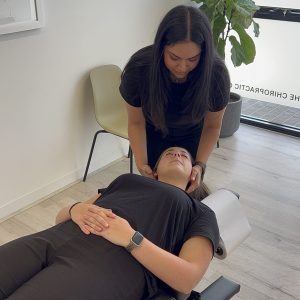
At your first appointment, your chiropractor will complete a detailed assessment rather than simply treating the area where pain is felt.
At our chiropractic care centre in Plenty, this assessment typically includes discussing:
- Your medical history
- Previous injuries
- When symptoms began
- Frequency and duration of headaches
- Activities that aggravate symptoms
- Occupational demands
- Lifestyle habits
A physical examination may assess:
- Neck mobility
- Posture
- Joint function
- Muscle tension
- Neurological signs
- Functional movement patterns
This thorough assessment helps determine whether the neck may be contributing to your headaches and whether referral for further medical investigation is appropriate.
Chiropractic Care for Neck Pain and Headaches
Following assessment, your chiropractor will develop a personalised management plan based on your symptoms, examination findings, lifestyle, and goals.
Chiropractic care for neck pain and headaches commonly combines several approaches, including:
- Manual therapy
- Exercise prescription
- Mobility programmes
- Strengthening exercises
- Postural education
- Ergonomic advice
- Lifestyle recommendations
- Activity modification
Chiropractors may use a variety of evidence-informed techniques depending on your age, symptoms, spinal function, and treatment goals. If you’d like to understand the different approaches available, you can learn more about the family chiropractic techniques used near Templestowe and how care is tailored to each individual.
Chiropractic Adjustment for Headaches
A chiropractic adjustment for headaches may be recommended when restricted spinal joints are identified during examination.
The purpose of an adjustment is to restore movement to joints demonstrating reduced mobility and improve overall spinal function. This may help reduce mechanical stress affecting the cervical spine and support healthier movement patterns.
Every care recommendation is based on clinical findings and tailored to the individual’s presentation.
Cervicogenic Headaches vs Tension Headaches
Although these headache types can feel similar, they have different underlying causes.
Cervicogenic Headache | Tension Headache |
Originates from the neck | Often associated with muscular tension and stress |
Frequently worsens with neck movement | Usually unaffected by neck movement |
Reduced neck mobility is common | Neck movement often remains normal |
Pain may begin at the base of the skull | Often described as a tight band around the head |
Many people searching for a tension headache chiropractor are unsure whether their symptoms relate to muscular tension, cervical dysfunction, or another condition. A professional assessment helps determine the most appropriate management approach.
Practical Tips for Managing Neck-Related Headaches
Alongside professional care, these simple habits may help reduce strain on the cervical spine:
- Position your monitor at eye level.
- Take movement breaks every 30–60 minutes.
- Limit prolonged time looking down at your phone.
- Perform gentle mobility exercises if recommended by your healthcare provider.
- Maintain regular physical activity.
- Use a supportive sleeping position that keeps the neck in a neutral alignment.
These strategies are commonly incorporated into long-term management plans to help reduce recurring symptoms.
When Should You Seek Medical Attention?
Not every headache originates from the neck.
Seek urgent medical attention if your headache is:
- Sudden and severe
- Accompanied by weakness or numbness
- Associated with difficulty speaking
- Causing significant vision changes
- Following major trauma
- Accompanied by confusion or loss of consciousness
Your chiropractor will recognise when symptoms require referral to a GP or another healthcare provider for further assessment.
What Our Patients Say
Many patients seek chiropractic care after living with headaches or neck-related symptoms for years.
“I have suffered with a ‘floating’/’bobbing’ sensation in my head for approximately 15 years. Linda provided a detailed analysis of my spine and explained what may be contributing to my problem. She has been incredibly encouraging throughout my care, and I’m looking forward to continuing my treatment.”
– Spacemanope
Another patient shared:
“I just started seeing James as my chiropractor and wow is all I can say! After eight years of chronic tension headaches, James took X-rays of my neck, explained exactly what was happening, and gave me hope that we could improve things over time. Couldn’t recommend highly enough.”
– Brooke Pepa
Individual results vary, and every person’s condition and response to care are different.
Why Choose The Chiropractic Co. Plenty?
Located at 10/285 Diamond Creek Road, Plenty, VIC 3090, The Chiropractic Co. Plenty proudly supports patients from Plenty, Greensborough, Diamond Creek, Briar Hill, Heidelberg, Doreen, South Morang, Yarrambat, and surrounding areas.
Whether you’re looking for a neck pain chiropractor, a chiropractor for headaches, or ongoing care for spinal health, our experienced team provides personalised assessments and evidence-informed care tailored to your needs.
Book an Appointment
If recurring headaches, neck stiffness, or posture-related headaches are affecting your daily life, don’t ignore the signs.
Our experienced chiropractors take the time to understand your symptoms, perform a comprehensive assessment, and determine whether dysfunction within the cervical spine may be contributing to your headaches.
If you’re looking for a chiropractor for cervicogenic headaches or a trusted chiropractor Plenty residents rely on us; we’re here to help.
Book your appointment with The Chiropractic Co. Plenty today and take the first step towards understanding your headaches and supporting your long-term spinal health.
Frequently Asked Questions
Yes. A chiropractor can assess posture, spinal mobility, neck function, and your symptom history to determine whether dysfunction within the cervical spine may be contributing to your headaches.
Cervicogenic headaches originate from structures in the neck, whereas tension headaches are more commonly associated with muscular tension and stress. Because symptoms can overlap, a professional assessment is recommended.
Poor posture may increase stress on the muscles and joints of the neck and contribute to posture-related headaches in some people.
Chiropractic care for neck pain and headaches may include assessment, manual therapy, chiropractic adjustment for headaches where appropriate, exercises, ergonomic advice, and education tailored to your individual needs.
No. Neck stiffness and headaches can occur for various reasons. A comprehensive assessment helps determine whether dysfunction within the cervical spine may be contributing to your symptoms.
Seek immediate medical attention if headaches are sudden, severe, associated with neurological symptoms or significant vision changes, or occur following major trauma.