
Table of Contents
If you have never seen a chiropractor before, you may have plenty of questions about your first chiropractic adjustment. Will it hurt? Will your back or neck crack? Will you be adjusted straight away?
These are common questions, especially if you are unsure what happens during your first chiropractic appointment.
Your first visit usually involves more than an adjustment. Your chiropractor will first learn about your health, discuss your concerns and assess how your body moves. This helps them determine what approach may be appropriate for your individual needs.
Here is what you can expect before, during and after your first chiropractic adjustment.
What Is a Chiropractic Adjustment?
A chiropractic adjustment is a controlled technique used to move a joint. It often involves the spine, but other joints may also be assessed and addressed depending on your symptoms and assessment findings.
You may hear terms such as spinal adjustment, spinal manipulation or mobilisation. These terms can describe different techniques used in chiropractic care.
The technique used during your first chiropractic adjustment depends on your needs and assessment findings. Some adjustments involve the hands, while others may use an instrument or another technique.
You may also hear a popping or clicking sound during an adjustment. However, an adjustment does not need to make a sound to take place.

What Happens Before Your First Chiropractic Adjustment?
Your first visit will usually begin with a conversation. This gives your chiropractor a better understanding of what brings you in and how your symptoms affect your daily life.
You may be asked about:
- When your symptoms started
- Where you feel discomfort
- Activities that make your symptoms better or worse
- Previous injuries or surgery
- Your general health
- Current medications
- Previous scans or other health assessments
- Your goals for chiropractic care
You may then have a physical assessment. This can include checking your posture, movement, joint mobility and range of motion.
Your chiropractor may also perform other checks based on your symptoms. X-rays or other investigations may be considered when they are clinically appropriate.
This first assessment helps your chiropractor decide what approach may be suitable. It also gives you an opportunity to ask questions before any adjustment takes place.
Will You Get an Adjustment During Your First Visit?
Not necessarily.
Some people may receive their first chiropractic adjustment during their first appointment. Others may need more assessment before an adjustment is recommended.
Your health history, symptoms and assessment findings can all influence this decision. Your chiropractor may also recommend further investigation or referral if your symptoms need another type of assessment.
So, you do not need to arrive expecting an adjustment. Your first appointment is also about understanding your needs and deciding on an appropriate approach.
What Happens During a Chiropractic Adjustment?
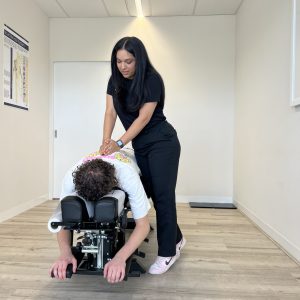
If an adjustment is appropriate, your chiropractor will explain what they plan to do. You may be positioned on a specialised table, sitting or lying down.
The exact position depends on the technique being used and the area being addressed.
During the adjustment, your chiropractor applies a controlled movement to a joint. The movement itself may be quick, so you may notice only a brief sensation.
You might feel:
- Gentle or firm pressure
- A stretching sensation
- Joint movement
- A brief release
- A clicking or popping sound
Everyone experiences an adjustment differently. Your chiropractor should explain the technique and give you an opportunity to raise any concerns.
Do You Need a Full Body Chiropractic Adjustment?
Not necessarily. A full-body chiropractic adjustment is not something every person automatically needs.
The areas assessed and techniques used should be based on your individual symptoms, health history and assessment findings rather than following the same routine for every patient.
If you have concerns about a particular part of your body, discuss them with your chiropractor before treatment begins.
Does a First Chiropractic Adjustment Hurt?
This is often the biggest concern for people who have never had an adjustment.
A first chiropractic adjustment can feel unfamiliar, but that does not mean it should be painful. You may notice pressure, movement or a short stretching sensation during the technique.
Some people feel nervous before their first adjustment. That is understandable when you do not know what to expect.
Tell your chiropractor if you feel uncomfortable. You can also ask them to explain the technique before they begin.
If you have concerns about a particular area, such as your neck, mention them before the adjustment. Open communication helps your chiropractor understand your concerns and determine whether a different technique may be appropriate.
Why Does Your Spine Sometimes Crack or Pop?
The popping sound associated with chiropractic adjustments can sound alarming if you have never experienced it.
A popping or clicking sound can occur when a joint is moved during an adjustment. It does not mean that a bone is breaking. Not every adjustment creates an audible sound either.
If you do not like the idea of hearing a crack, tell your chiropractor. You can discuss the techniques being considered and ask whether other approaches may be suitable.
This can be particularly relevant if you are seeking care for headaches or neck discomfort. For example, cervicogenic headaches can be associated with structures in the neck, and understanding the possible symptoms and causes can help you discuss your concerns more clearly during an assessment.
What Can You Expect After Your First Adjustment?
You may notice changes in how an area feels after your first chiropractic adjustment. Some people report feeling looser or noticing changes in movement.
Others may experience temporary soreness or tenderness. Mild stiffness, fatigue or a headache can also occur after an adjustment.
These responses can vary from person to person. You should not assume that soreness is required for chiropractic care to be effective.
If you develop unusual, severe or worsening symptoms, contact an appropriate healthcare professional for advice.
Your chiropractor may also ask how you felt after the appointment. This feedback can help guide future care and determine whether the approach needs to be adjusted.
How Should You Prepare for Your First Chiropractic Appointment?
You do not need to do anything complicated before your chiropractic appointment. A few simple steps can make the visit easier.

1. Wear Comfortable Clothing
Choose clothes that allow you to move easily. Your assessment may include walking, bending or moving different parts of your body.
2. Bring Useful Health Information
Bring relevant medical reports, previous imaging and medication details if you have them. You should also mention previous injuries, surgery or other health concerns that may be relevant to your appointment.
3. Think About Your Symptoms
Try to remember when your symptoms began and what affects them. Consider how they impact your work, exercise, sleep and everyday activities.
For people who spend a lot of time driving, for example, prolonged sitting and driving habits may contribute to back discomfort. Understanding how everyday activities affect your symptoms can give your chiropractor useful information during your assessment. If driving is a significant part of your routine, you can also learn more about back care while driving.
4. Write Down Your Questions
It is easy to forget questions once you are sitting in the practice. Writing them down beforehand can help you make the most of your appointment.
You could ask:
- What did you find during my assessment?
- What technique are you recommending?
- What should I expect to feel?
- Will you adjust my neck?
- Are there other techniques available?
- What should I expect after the adjustment?
- Will I need further appointments?
What Should You Tell Your Chiropractor During Your First Visit?
Be open about your symptoms, health history and concerns. Your chiropractor needs relevant information to understand your situation and determine whether chiropractic care is appropriate.
Tell them when your symptoms started, what makes them better or worse and whether you have experienced previous injuries, surgery or other health issues.
You should also mention any symptoms that concern you, including persistent headaches, significant neck discomfort or symptoms that interfere with your normal activities.
For example, someone seeking care for disc-related back symptoms may have different assessment considerations from someone experiencing occasional stiffness. If you have been diagnosed with a disc problem, your chiropractor can discuss whether chiropractic care is appropriate as part of your overall management. You can also read more about chiropractic care for slipped disc concerns if this is relevant to your situation.
Likewise, people seeking a tension headache chiropractor may need an assessment that considers their headache symptoms, neck movement and other relevant factors rather than assuming that the headache has one specific cause.
Your chiropractor should explain what they have found and discuss the proposed approach with you before proceeding.
What Should You Expect From Your Chiropractor?
Your chiropractor should take time to understand your health history and current concerns.
You should also receive an explanation of the approach being recommended. This includes having the opportunity to ask questions and discuss concerns before an adjustment.
A good first appointment should feel like a conversation as well as an assessment. You should understand what is being recommended and why, and you should feel comfortable raising concerns about any technique.
Posture may also be relevant when discussing certain musculoskeletal concerns. If your symptoms appear to be related to prolonged sitting, positioning or other movement habits, your chiropractor can assess these factors rather than assuming that an adjustment alone is the answer. You can learn more about chronic posture and chiropractic care if posture is a concern for you.
The number and frequency of future appointments can also vary. There is no fixed schedule that applies to everyone. Your chiropractor can discuss follow-up care based on your assessment, goals and progress.
Chiropractic Care Across Our Clinics
Our chiropractic clinics provide care across Plenty, Warragul, Korumburra, Kilmore, Maffra and Healesville.
Wherever you attend, your first appointment should focus on understanding your concerns and assessing your individual needs before an appropriate approach is recommended.
If back pain is one of your concerns, understanding how chiropractic care may approach different types of back discomfort can be useful before your appointment. For example, you can explore information about chiropractic care for back pain for further guidance.
If you are unsure whether chiropractic care is suitable for your symptoms, you can contact your nearest clinic to discuss your concerns and ask what to expect from an initial appointment.
Ready to Book Your Chiropractic Appointment?
If you’re considering your first chiropractic adjustment, our experienced team can help you understand what to expect and determine an appropriate approach based on your individual needs.
We provide chiropractic care across Plenty, Warragul, Korumburra, Kilmore, Maffra and Healesville. Choose your nearest clinic and get in touch with our team to discuss your concerns or book your chiropractic appointment.
Ready to get started? Book an appointment today.
Frequently Asked Questions
You may be, but it depends on your assessment. Your chiropractor may recommend further assessment before proceeding with an adjustment.
You may feel pressure, movement or stretching during an adjustment. Some people experience temporary soreness afterward. Tell your chiropractor if anything feels painful or uncomfortable.
Yes. Discuss your concerns before the adjustment. Your chiropractor can explain the proposed technique and discuss whether other approaches may be appropriate.
Not everyone needs an X-ray. Your chiropractor may recommend imaging when it is relevant to your symptoms and assessment.
There is no fixed number that applies to everyone. Your chiropractor can discuss follow-up care based on your assessment, goals and progress.
Tell your chiropractor straight away. Good communication allows them to respond to your concerns and consider whether a different approach is appropriate.
Look for a registered practitioner who takes time to understand your concerns, performs an appropriate assessment and clearly explains the recommended approach. You should also feel comfortable asking questions about your care.